

In the competitive world of industrial manufacturing, cost - effectiveness is a crucial factor in determining the success of any product line. As a supplier of Cone Tank Heads, I understand the constant pressure on businesses to reduce costs without sacrificing quality. This blog post aims to share practical strategies that can help achieve this balance, ensuring that you get the best value for your money when purchasing Cone Tank Heads.
Material Selection
One of the most significant cost factors in manufacturing Cone Tank Heads is the choice of material. Stainless steel, carbon steel, and alloy steel are commonly used materials, each with its own set of properties and price points. Stainless steel offers excellent corrosion resistance and durability, but it comes at a higher cost. Carbon steel, on the other hand, is more affordable but may require additional protective coatings in corrosive environments.
To reduce costs, consider using carbon steel for applications where corrosion is not a major concern. For example, in industries such as agriculture or general storage, carbon steel Cone Tank Heads can be a cost - effective solution. If corrosion resistance is necessary, instead of opting for the most expensive stainless steel grades, look for mid - range alloys that offer a good balance between performance and price. Conducting a thorough corrosion analysis of the intended environment can help you make an informed decision.
Some sources even suggest that by carefully selecting the material based on the specific requirements of the application, you can potentially reduce material costs by up to 20 - 30%. For instance, if the tank is used for storing non - corrosive liquids like water, you can choose a lower - cost carbon steel with a proper paint coating instead of a high - grade stainless steel.
Manufacturing Process Optimization
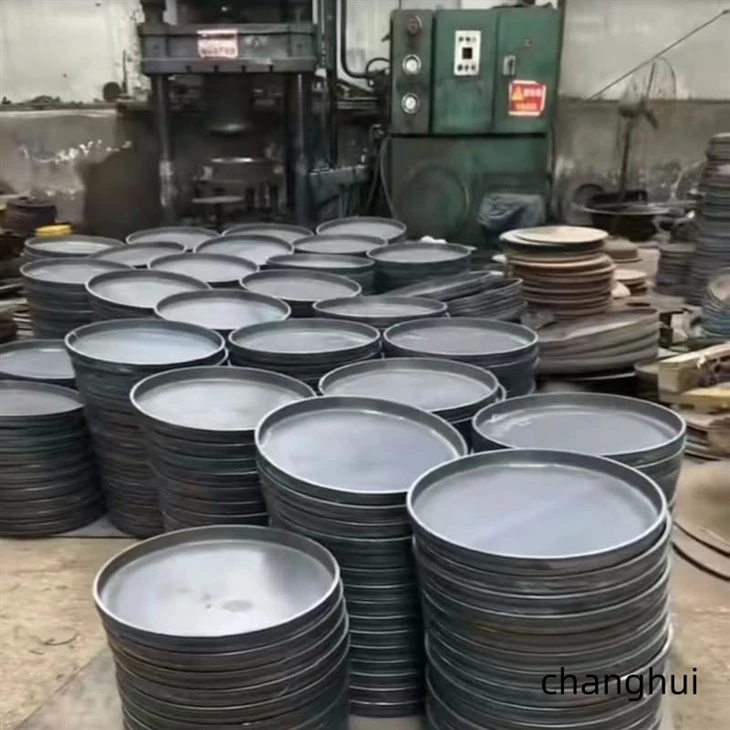
The manufacturing process of Cone Tank Heads also has a significant impact on cost. Traditional manufacturing methods may involve multiple steps, such as cutting, forming, and welding, each of which adds to the overall cost. By optimizing these processes, we can reduce labor, material waste, and energy consumption.
Investing in advanced manufacturing technologies, such as automated cutting and forming equipment, can lead to significant cost savings. Automated machines can cut and shape the metal more precisely, reducing material waste. For example, laser cutting technology can cut the metal with minimal kerf width, increasing the utilization rate of the raw material. Additionally, automated forming processes can ensure consistent quality across all products, reducing the likelihood of rework and scrap.
Welding is another critical step in the manufacturing of Cone Tank Heads. By using advanced welding techniques, such as robotic welding, we can improve the welding quality and efficiency. Robotic welding systems can perform repetitive tasks with high precision, reducing the labor cost associated with manual welding and minimizing the risk of welding defects.
Bulk Ordering and Supply Chain Management
Ordering Cone Tank Heads in bulk can be an effective way to reduce costs. When you place a large order, suppliers are often able to offer volume discounts. This is because the fixed costs associated with production, such as tooling and setup, can be spread over a larger number of units.
However, before placing a bulk order, it is essential to assess your actual demand accurately. Over - ordering can lead to inventory holding costs, such as storage fees and the risk of obsolescence. On the other hand, under - ordering may result in production delays and additional costs in the long run.
In addition to bulk ordering, effective supply chain management is crucial. Establishing long - term relationships with reliable suppliers can help secure better prices and ensure a stable supply of raw materials. By working closely with suppliers, you can also negotiate favorable payment terms and delivery schedules, further reducing costs.
Quality Control and Inspection
Maintaining quality is non - negotiable when it comes to Cone Tank Heads. However, implementing a well - structured quality control system can also help reduce costs in the long run. By detecting and correcting defects early in the manufacturing process, we can avoid costly rework and scrap.
We use a combination of in - process inspections and final inspections to ensure that all Cone Tank Heads meet the required quality standards. For example, during the manufacturing process, we conduct regular dimensional checks to ensure that the heads are being formed to the correct specifications. After the final welding and finishing processes, we perform non - destructive testing, such as ultrasonic testing and radiographic testing, to detect any internal defects.
By investing in quality control, we can not only maintain the high quality of our products but also reduce the number of rejected products and warranty claims. This, in turn, leads to cost savings and improved customer satisfaction.
Comparing Different Tank Head Types
When considering cost - reduction, it is also important to compare different types of tank heads. Each type has its own advantages and cost implications.
- Pressure Vessel Heads: These are designed to withstand high internal pressures. They are typically more expensive due to the strict manufacturing and quality control requirements. However, they are essential for applications where pressure containment is critical.
- Flat Bottom Tank Heads: Flat bottom tank heads are relatively simple to manufacture and are often more cost - effective. They are commonly used in low - pressure and non - critical applications, such as small storage tanks.
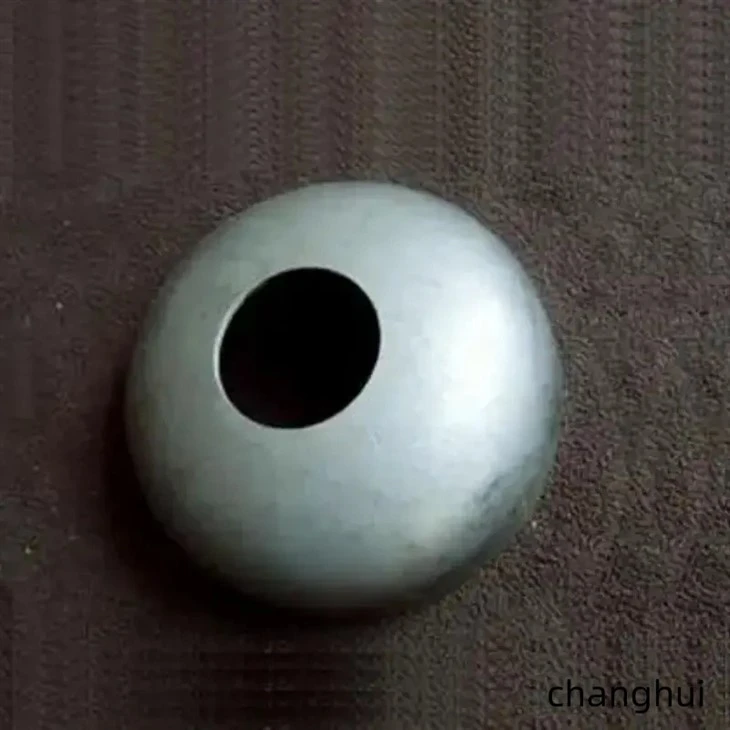
- Cone Tank Heads: As a supplier of Cone Tank Heads, I can attest to their versatility. They are suitable for a wide range of applications and offer a good balance between cost and performance. The conical shape allows for efficient drainage and can reduce the risk of sediment buildup.
- Dished Heads: Dished heads have a curved shape, which provides better stress distribution compared to flat heads. They are used in applications where higher pressures or better structural integrity is required.
- Pressure Vessel Dished Heads: These are a specialized type of dished heads designed for pressure vessels. They are subject to strict quality control and testing procedures, which contribute to their higher cost.
By carefully evaluating your specific application requirements, you can choose the most cost - effective tank head type.
Conclusion
Reducing the cost of Cone Tank Heads while maintaining quality is a challenging but achievable goal. By implementing strategies such as careful material selection, manufacturing process optimization, bulk ordering, effective supply chain management, and rigorous quality control, you can significantly lower your overall costs. Additionally, comparing different tank head types can help you find the most suitable and cost - effective solution for your needs.
If you are interested in learning more about our Cone Tank Heads or exploring cost - saving options for your specific application, we encourage you to reach out to our team. We are committed to providing high - quality products at competitive prices and look forward to discussing how we can meet your requirements.
References
- Smith, J. (2019). Handbook of Industrial Tank Design. Publisher: ABC Press.
- Johnson, M. (2020). Cost - Effective Manufacturing Strategies in the Metal Industry. Journal of Manufacturing Efficiency, 15(2), 45 - 57.