

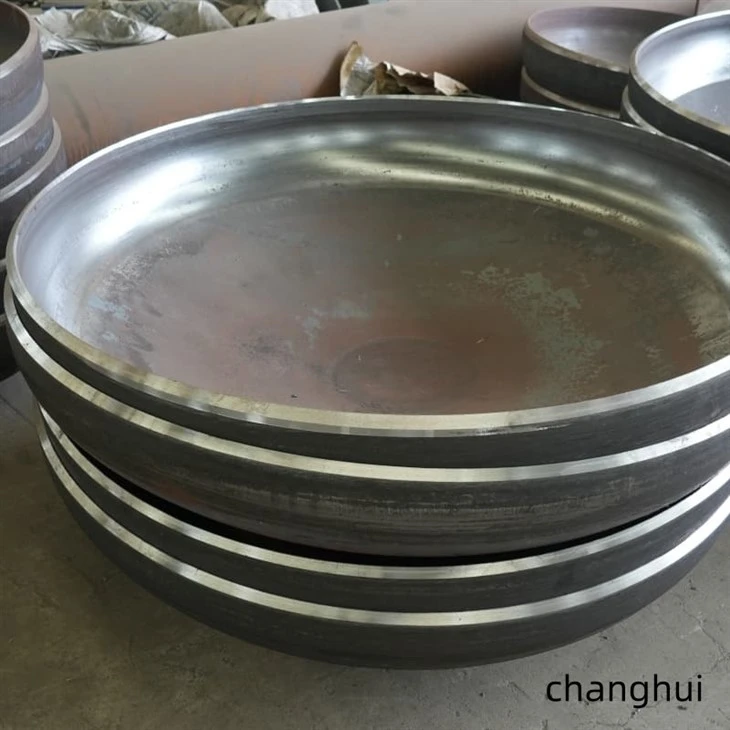
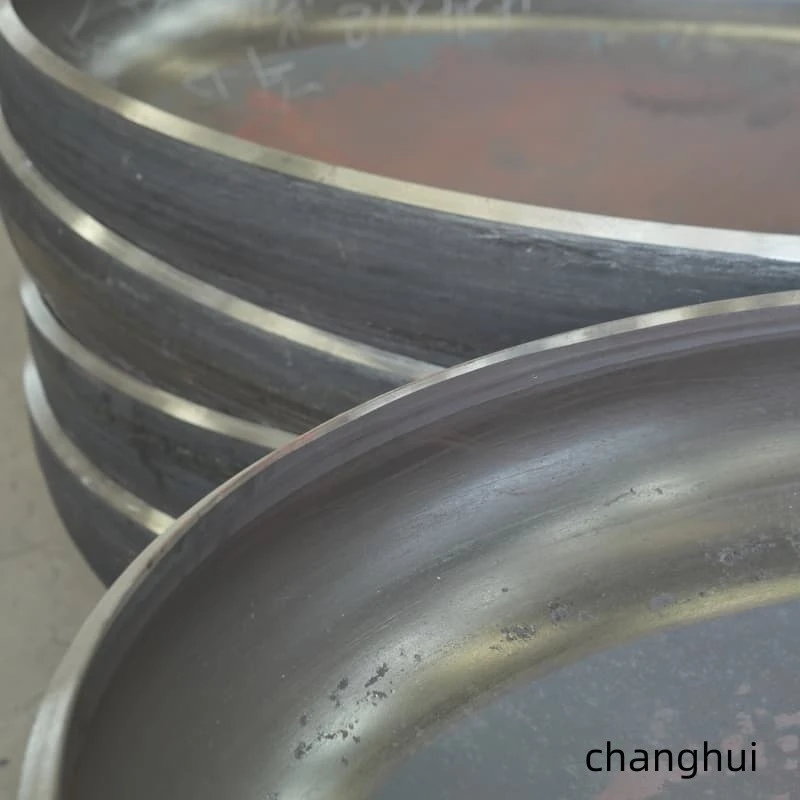
When it comes to the manufacturing of conical tank heads and their connection to the tank body, ensuring high-quality welds is of utmost importance. As a reputable Conical Tank Heads supplier, I understand the challenges and intricacies involved in this process. In this blog post, I will share some valuable insights and practical tips on how to improve the weld quality when connecting conical tank heads to the tank body.
Understanding the Basics of Welding Conical Tank Heads
Before diving into the strategies for improving weld quality, it's essential to have a solid understanding of the basic principles of welding conical tank heads. Welding is a process that joins two or more pieces of metal together by melting the base metals and adding a filler material. The quality of the weld depends on several factors, including the type of welding process, the welding equipment, the welding parameters, and the skills of the welder.
There are several welding processes that can be used to connect conical tank heads to the tank body, including shielded metal arc welding (SMAW), gas metal arc welding (GMAW), flux-cored arc welding (FCAW), and submerged arc welding (SAW). Each process has its own advantages and disadvantages, and the choice of process depends on the specific requirements of the project.
Choose the Right Welding Process
The choice of welding process is crucial for achieving high-quality welds when connecting conical tank heads to the tank body. Here are some factors to consider when selecting a welding process:
- Material Compatibility: The welding process should be compatible with the materials being welded. For example, if you are welding carbon steel conical tank heads to a carbon steel tank body, SMAW, GMAW, FCAW, or SAW are all suitable options. However, if you are welding stainless steel conical tank heads to a stainless steel tank body, you may need to use a different welding process, such as gas tungsten arc welding (GTAW).
- Weld Quality Requirements: The welding process should be able to meet the weld quality requirements of the project. For example, if the welds need to be strong and durable, you may need to use a welding process that produces high-quality welds, such as SAW.
- Production Efficiency: The welding process should be able to meet the production efficiency requirements of the project. For example, if you need to produce a large number of conical tank heads quickly, you may need to use a welding process that is fast and efficient, such as GMAW or FCAW.
Prepare the Welding Joints Properly
Proper joint preparation is essential for achieving high-quality welds when connecting conical tank heads to the tank body. Here are some tips for preparing the welding joints:
- Clean the Joints: The welding joints should be clean and free of any dirt, grease, rust, or other contaminants. You can use a wire brush, grinder, or chemical cleaner to clean the joints.
- Bevel the Joints: The welding joints should be beveled to provide a proper fit and to ensure that the weld penetrates the base metal. The bevel angle and depth depend on the thickness of the materials being welded and the welding process being used.
- Align the Joints: The welding joints should be aligned properly to ensure that the welds are straight and uniform. You can use clamps, fixtures, or alignment tools to align the joints.
Select the Right Welding Equipment and Consumables
The choice of welding equipment and consumables is also crucial for achieving high-quality welds when connecting conical tank heads to the tank body. Here are some tips for selecting the right welding equipment and consumables:
- Welding Machine: The welding machine should be capable of providing the required welding current, voltage, and wire feed speed. You should also choose a welding machine that is easy to operate and maintain.
- Welding Electrodes or Wire: The welding electrodes or wire should be compatible with the materials being welded and the welding process being used. You should also choose a welding electrode or wire that is of high quality and that meets the required specifications.
- Shielding Gas: If you are using a gas-shielded welding process, such as GMAW or GTAW, you need to use a shielding gas to protect the weld from oxidation and contamination. The choice of shielding gas depends on the materials being welded and the welding process being used.
Control the Welding Parameters
The welding parameters, such as the welding current, voltage, wire feed speed, and travel speed, have a significant impact on the quality of the welds. Here are some tips for controlling the welding parameters:
- Follow the Welding Procedure Specification (WPS): The WPS is a document that specifies the welding process, welding equipment, welding consumables, and welding parameters to be used for a particular welding job. You should follow the WPS carefully to ensure that the welds are of high quality.
- Monitor the Welding Parameters: You should monitor the welding parameters during the welding process to ensure that they are within the specified range. You can use a welding parameter monitor or a weld logger to monitor the welding parameters.
- Adjust the Welding Parameters as Needed: If the welding parameters are not within the specified range, you should adjust them as needed to ensure that the welds are of high quality. You can adjust the welding parameters manually or automatically, depending on the type of welding machine you are using.
Train and Certify the Welders
The skills and knowledge of the welders play a crucial role in achieving high-quality welds when connecting conical tank heads to the tank body. Here are some tips for training and certifying the welders:
- Provide Adequate Training: The welders should receive adequate training on the welding process, welding equipment, welding consumables, and welding parameters. You can provide on-the-job training, classroom training, or online training to the welders.
- Certify the Welders: The welders should be certified by a recognized certification body, such as the American Welding Society (AWS). The certification process involves passing a written exam and a practical welding test.
- Monitor the Welders' Performance: You should monitor the welders' performance regularly to ensure that they are following the WPS and producing high-quality welds. You can use a welding inspection report or a weld quality control system to monitor the welders' performance.
Conduct Weld Inspections and Testing
Weld inspections and testing are essential for ensuring that the welds are of high quality and that they meet the required specifications. Here are some tips for conducting weld inspections and testing:
- Visual Inspection: The welds should be visually inspected before, during, and after the welding process to check for any defects, such as cracks, porosity, incomplete fusion, or undercutting. You can use a magnifying glass, a flashlight, or a welding inspection mirror to conduct the visual inspection.
- Non-Destructive Testing (NDT): The welds should be subjected to NDT to detect any internal defects, such as cracks, porosity, or lack of fusion. The most common NDT methods include ultrasonic testing (UT), radiographic testing (RT), magnetic particle testing (MT), and liquid penetrant testing (PT).
- Destructive Testing: The welds should be subjected to destructive testing to evaluate their mechanical properties, such as strength, ductility, and toughness. The most common destructive testing methods include tensile testing, bend testing, impact testing, and hardness testing.
Conclusion
Improving the weld quality when connecting conical tank heads to the tank body requires a combination of proper joint preparation, the right welding process, the right welding equipment and consumables, controlled welding parameters, trained and certified welders, and thorough weld inspections and testing. As a Conical Tank Heads supplier, I am committed to providing high-quality products and services to my customers. If you are in the market for SA516 Gr70 Heads, Steel Formed Heads, Carbon Steel Dished Heads, SA516 Gr60 Heads, or Tank Dished Heads, please feel free to contact me for more information. We can discuss your specific requirements and work together to ensure the highest quality welds for your tank projects.
References
- American Welding Society. (202X). Welding Handbook.
- Steel Tank Institute. (202X). Guidelines for Tank Manufacturing.
- ASME Boiler and Pressure Vessel Code. (202X). Section IX - Welding and Brazing Qualifications.