

As a supplier of Carbon Steel Pipe Caps, I understand the importance of proper storage methods for these products. Carbon steel pipe caps play a crucial role in various industries, including oil and gas, construction, and manufacturing. Ensuring they are stored correctly not only maintains their quality but also extends their lifespan. In this blog, I'll share the best practices for storing carbon steel pipe caps based on my experience in the industry.
Understanding the Characteristics of Carbon Steel Pipe Caps
Carbon steel is an alloy of iron and carbon, with other elements present in varying proportions. It is known for its strength, durability, and weldability. However, carbon steel is also prone to corrosion, especially when exposed to moisture, oxygen, and certain chemicals. This means that the storage environment for carbon steel pipe caps needs to be carefully controlled to prevent rust and other forms of degradation.
Choosing the Right Storage Location
The first step in storing carbon steel pipe caps is to select an appropriate location. Ideally, the storage area should be indoors, as this provides better protection against the elements. Indoor storage facilities can be temperature and humidity-controlled, which helps to minimize the risk of corrosion. If indoor storage is not possible, a well - ventilated and covered outdoor area can be used, but additional precautions will be necessary.
The storage location should be clean and free from debris, dust, and other contaminants. These particles can accumulate on the surface of the pipe caps and accelerate the corrosion process. Regular cleaning of the storage area is essential to maintain a clean environment.
Controlling Temperature and Humidity
Temperature and humidity are two critical factors that can affect the quality of carbon steel pipe caps during storage. High humidity levels can lead to the formation of condensation on the surface of the pipe caps, which is a major cause of corrosion. To prevent this, the relative humidity in the storage area should be kept below 60%. This can be achieved using dehumidifiers or by ensuring proper ventilation.
In addition, extreme temperature fluctuations should be avoided. Large differences in temperature can cause the metal to expand and contract, which may lead to stress and potential damage to the pipe caps. Maintaining a stable temperature in the storage area is crucial for preserving the integrity of the products.
Protecting the Surface of the Pipe Caps
Another important aspect of storing carbon steel pipe caps is to protect their surface. One way to do this is by applying a protective coating. There are various types of coatings available, such as anti - rust paints, lubricants, and waxes. These coatings create a barrier between the metal surface and the surrounding environment, preventing moisture and oxygen from reaching the steel.
When applying a coating, it is important to ensure that the surface of the pipe caps is clean and dry. Any dirt or moisture on the surface can reduce the effectiveness of the coating. After applying the coating, the pipe caps should be allowed to dry completely before being stored.
Proper Stacking and Handling
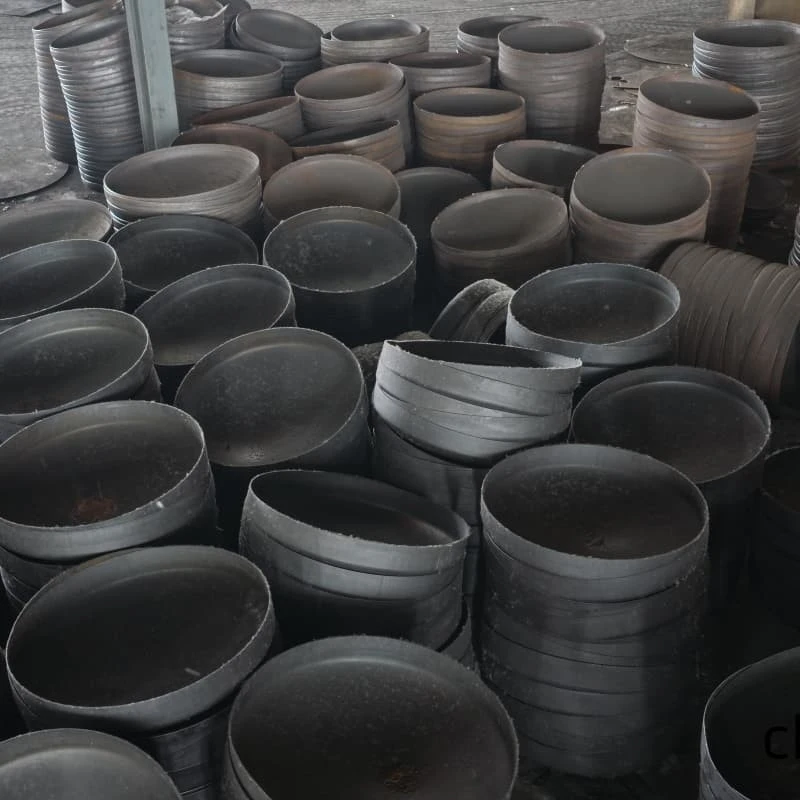
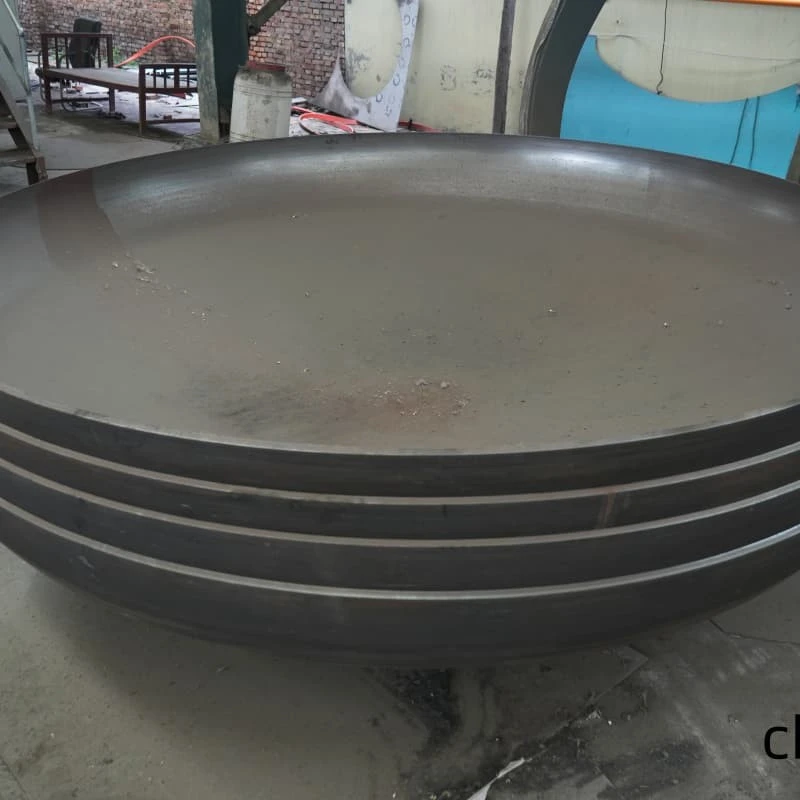
Proper stacking and handling of carbon steel pipe caps are also essential for their storage. The pipe caps should be stacked in a stable and organized manner to prevent them from falling or being damaged. When stacking, it is important to avoid placing heavy objects on top of the pipe caps, as this can cause deformation.
During handling, care should be taken to prevent scratches and dents on the surface of the pipe caps. Scratches can expose the underlying metal to the environment, increasing the risk of corrosion. Using appropriate lifting equipment and handling procedures is crucial to minimize damage.
Using Protective Packaging
Protective packaging can provide an additional layer of protection for carbon steel pipe caps during storage. Plastic wraps, bags, or boxes can be used to cover the pipe caps and prevent them from coming into contact with contaminants. Some packaging materials also have anti - static properties, which can help to prevent the accumulation of dust on the surface.
When choosing packaging materials, it is important to ensure that they are compatible with the carbon steel. Some materials may react with the metal and cause corrosion. For example, certain types of plastics may release chemicals that can damage the steel surface over time.
Regular Inspection
Regular inspection of the stored carbon steel pipe caps is necessary to detect any signs of corrosion or damage early. Inspections should be carried out at least once a month, and more frequently if the storage conditions are not ideal.
During the inspection, look for signs of rust, discoloration, or deformation on the surface of the pipe caps. If any issues are detected, appropriate measures should be taken immediately. This may involve cleaning the affected area, reapplying the protective coating, or replacing the damaged pipe caps.
Comparing with Other Types of Pipe Caps
In the market, there are also Stainless Steel Pipe Cap, EN Pipe Caps, Butt Weld Pipe Caps, DIN Pipe Caps and Pipe End Covers. Each type has its own storage requirements. For example, stainless steel pipe caps are more resistant to corrosion than carbon steel pipe caps, but they still need to be stored in a clean and dry environment. EN, DIN, and butt - weld pipe caps have specific geometric and material properties, and their storage should also follow similar principles of protecting against corrosion and physical damage. Pipe end covers, on the other hand, may require different packaging and stacking methods due to their shape and function.
Conclusion and Call to Action
In conclusion, the best way to store carbon steel pipe caps involves a combination of choosing the right storage location, controlling temperature and humidity, protecting the surface, proper stacking and handling, using protective packaging, and regular inspection. By following these practices, you can ensure that your carbon steel pipe caps remain in good condition during storage and are ready to be used in various applications when needed.
If you are in the market for high - quality carbon steel pipe caps or need more information about their storage and usage, please feel free to contact us. We are committed to providing you with the best products and professional advice.
References
- Smith, J. (2018). Handbook of Steel Pipe Technology. London: Elsevier.
- Johnson, R. (2019). Corrosion Prevention in the Steel Industry. New York: McGraw - Hill.