

Hey there! As a supplier of Carbon Steel Pipe Caps, I've been getting a lot of questions lately about the cost - effectiveness of these nifty little components. So, I thought I'd sit down and share my thoughts on the topic.
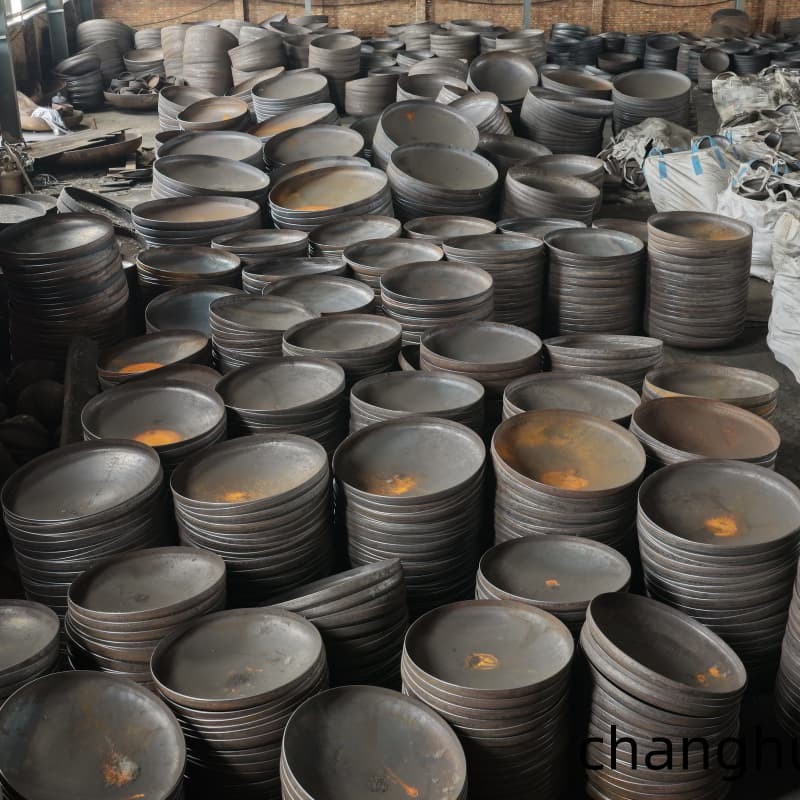
First off, let's talk about what carbon steel pipe caps are. They're basically used to seal the end of a pipe. You can find them in all sorts of industries, from oil and gas to construction. They come in different sizes, shapes, and standards, like JIS Pipe Caps, Large Diameter Pipe Caps, Stainless Steel Pipe Cap, GOST Pipe Caps, and DIN Pipe Caps.
Now, when we're looking at cost - effectiveness, we've got to consider a few key factors:
1. Material Costs
Carbon steel is one of the most affordable materials out there for making pipe caps. Compared to other materials like stainless steel or alloy steel, it's a real bargain. The raw material for carbon steel is widely available, and the production process is well - established. This means that the base cost of manufacturing carbon steel pipe caps is relatively low.
For small - scale projects or companies on a tight budget, this is a huge plus. You can get a large quantity of carbon steel pipe caps without breaking the bank. And let's face it, in business, every penny counts. If you can save money on your pipe caps, you can allocate those funds to other areas of your project, like research and development or marketing.
2. Durability
Just because carbon steel is cheap doesn't mean it's flimsy. These pipe caps are tough as nails. They can withstand high pressure, extreme temperatures, and a fair amount of wear and tear. In a lot of industrial environments, pipes are exposed to harsh conditions. Carbon steel pipe caps can hold up under these conditions, which means you don't have to replace them as often.
Think about it. If you're using a less durable material for your pipe caps, you'll be spending more money in the long run on replacements. With carbon steel, you're making a one - time investment that pays off over time. You can rely on these caps to do their job for years, and that's a big part of what makes them cost - effective.

3. Ease of Installation
Installing carbon steel pipe caps is a piece of cake. You don't need a team of highly - skilled technicians to get the job done. Most of the time, basic welding skills are all you need. This reduces the labor costs associated with installation.
If you're a contractor, you can save time and money on your projects by choosing carbon steel pipe caps. You can get the pipes capped quickly and move on to the next phase of your work. And if you're a DIY enthusiast, you can easily handle the installation yourself without having to hire someone else.
4. Versatility
Carbon steel pipe caps are incredibly versatile. They can be used in a wide range of applications, from plumbing systems to industrial pipelines. Whether you're working on a small residential project or a large - scale industrial one, carbon steel pipe caps are likely to fit the bill.
This versatility means that you don't have to buy different types of caps for different projects. You can stock up on carbon steel pipe caps and use them whenever you need them. This not only saves you money but also simplifies your inventory management.
5. Maintenance
Maintenance is another area where carbon steel pipe caps shine. They don't require a lot of upkeep. A simple inspection every now and then to check for any signs of corrosion or damage is usually enough. And if you do notice any issues, repairs are generally straightforward and inexpensive.
In contrast, some other materials may require special coatings, regular cleaning, or complex maintenance procedures. This can add up to significant costs over time. With carbon steel pipe caps, you can keep your maintenance budget in check.
Drawbacks and Considerations
Now, I'm not saying that carbon steel pipe caps are perfect. They do have a few drawbacks. One of the main issues is corrosion. Carbon steel is prone to rusting if it's exposed to moisture and oxygen for long periods. However, this can be mitigated by applying a protective coating, such as paint or galvanization.
Another consideration is that in some extremely high - temperature or high - pressure applications, carbon steel may not be the best choice. In these cases, you might need to opt for a more specialized material, like stainless steel. But for the majority of standard applications, carbon steel pipe caps are more than sufficient.
When to Choose Carbon Steel Pipe Caps
So, when should you choose carbon steel pipe caps? If you're looking for an affordable, durable, and easy - to - install option for your pipe - capping needs, they're a great choice. If your project is on a budget, and you don't need the super - high performance of more expensive materials, carbon steel is the way to go.
If you're working on a project with standard temperature and pressure requirements, carbon steel pipe caps will handle the job just fine. And if you want to simplify your inventory management and keep your maintenance costs low, they're a smart pick.
Conclusion
In conclusion, the cost - effectiveness of carbon steel pipe caps is pretty hard to beat. They offer a great balance of affordability, durability, ease of installation, versatility, and low maintenance. Sure, there are some situations where other materials might be a better fit, but for most applications, carbon steel is a top choice.
If you're in the market for pipe caps, I'd highly recommend giving carbon steel a look. And as a supplier, I can offer you a wide range of high - quality carbon steel pipe caps at competitive prices. Whether you need JIS Pipe Caps, Large Diameter Pipe Caps, or any other type, we've got you covered.
If you're interested in learning more or want to discuss your specific requirements, don't hesitate to reach out. Let's have a chat and see how we can meet your needs and help you get the most bang for your buck.
References
- "Steel Pipe and Tube Handbook" for general information on carbon steel and its properties.
- Industry reports on the cost and performance of different pipe - capping materials.