
Optimizing the manufacturing process of elliptical dished heads is crucial for enhancing product quality, reducing costs, and meeting customer expectations. As a leading supplier of elliptical dished heads, we have extensive experience in this field. In this blog, we will explore various strategies and techniques to optimize the manufacturing process and improve the quality of elliptical dished heads.
Understanding the Basics of Elliptical Dished Heads
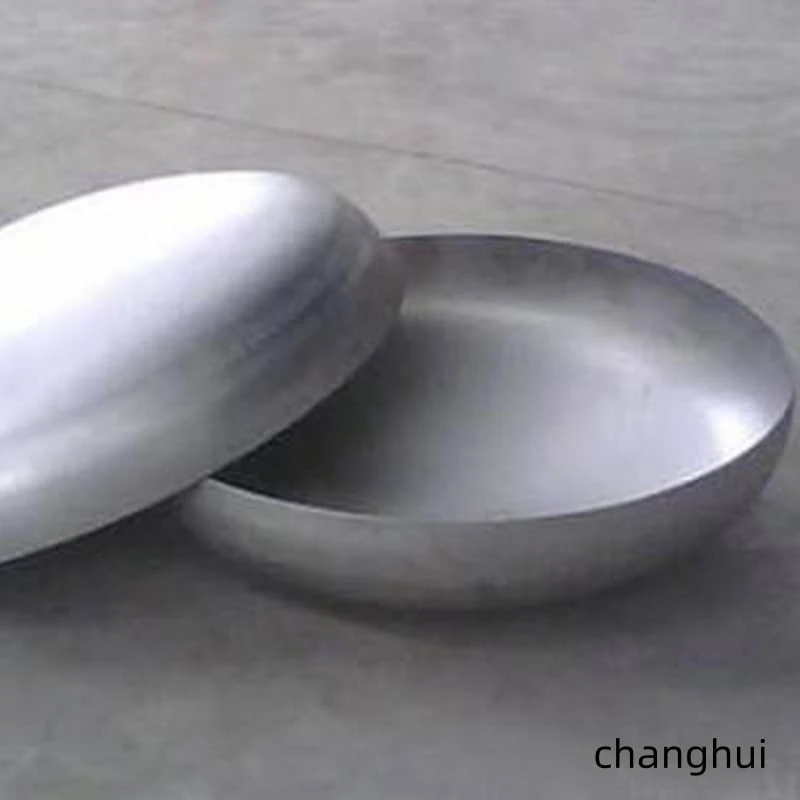
Elliptical dished heads are widely used in pressure vessels, storage tanks, and other industrial applications. They are designed to withstand high pressures and provide a reliable seal. The shape of an elliptical dished head is defined by its major and minor axes, with the ratio of the major to minor axes typically ranging from 2:1 to 4:1. The manufacturing process of elliptical dished heads involves several steps, including material selection, cutting, forming, welding, and heat treatment.
Material Selection
The choice of material is a critical factor in determining the quality of elliptical dished heads. The material should have the appropriate mechanical properties, such as strength, ductility, and corrosion resistance, to meet the specific requirements of the application. Common materials used for elliptical dished heads include carbon steel, stainless steel, and alloy steel.
- Carbon Steel: Carbon steel is a popular choice for elliptical dished heads due to its low cost and good mechanical properties. Carbon Steel Tank Heads are suitable for applications where corrosion resistance is not a major concern. However, carbon steel is prone to rusting, so it may require additional surface treatment, such as painting or galvanizing.
- Stainless Steel: Stainless steel offers excellent corrosion resistance, making it ideal for applications in harsh environments. Stainless Steel Tank Heads are commonly used in the food, beverage, and pharmaceutical industries, where hygiene and corrosion resistance are critical.
- Alloy Steel: Alloy steel is used when higher strength and better performance are required. It contains various alloying elements, such as chromium, nickel, and molybdenum, to improve its mechanical properties. Alloy steel elliptical dished heads are often used in high-pressure and high-temperature applications.
Cutting and Forming
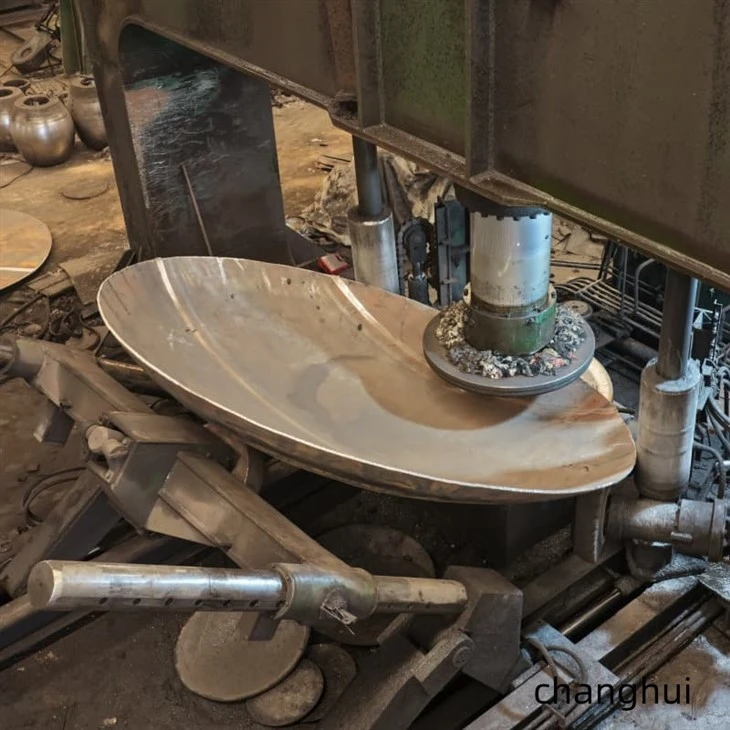
The cutting and forming processes are essential for shaping the elliptical dished heads. Precision cutting ensures that the blank has the correct dimensions and shape, while proper forming techniques ensure that the head is formed to the desired elliptical shape without any defects.
- Cutting: The most common cutting methods for elliptical dished heads include plasma cutting, laser cutting, and waterjet cutting. Plasma cutting is a fast and cost-effective method, but it may produce a rough cut surface. Laser cutting offers high precision and a smooth cut surface, but it is more expensive. Waterjet cutting is a versatile method that can cut through a wide range of materials, but it is relatively slow.
- Forming: There are several forming methods for elliptical dished heads, such as spinning, pressing, and hydroforming. Spinning is a traditional method that involves rotating the blank on a lathe and using a tool to shape it into an elliptical form. Pressing uses a hydraulic press to force the blank into a die to form the elliptical shape. Hydroforming uses high-pressure fluid to shape the blank into the desired form. Each method has its advantages and disadvantages, and the choice of method depends on the specific requirements of the application.
Welding
Welding is a critical step in the manufacturing process of elliptical dished heads. A high-quality weld ensures the integrity and strength of the head. The welding process should be carefully controlled to minimize the formation of defects, such as porosity, cracks, and lack of fusion.
- Welding Process Selection: The choice of welding process depends on the material, thickness, and application requirements. Common welding processes for elliptical dished heads include gas metal arc welding (GMAW), shielded metal arc welding (SMAW), and submerged arc welding (SAW). GMAW is a popular choice for welding stainless steel due to its high productivity and good weld quality. SMAW is a simple and versatile method that can be used for welding carbon steel and alloy steel. SAW is a high-productivity welding method that is suitable for welding thick plates.
- Welding Quality Control: To ensure the quality of the weld, it is important to follow proper welding procedures and quality control measures. This includes preheating the material, using the correct welding parameters, and conducting non-destructive testing, such as ultrasonic testing and radiographic testing, to detect any defects in the weld.
Heat Treatment
Heat treatment is often used to improve the mechanical properties of elliptical dished heads. It can relieve residual stresses, improve hardness and toughness, and enhance the corrosion resistance of the material.
- Annealing: Annealing is a heat treatment process that involves heating the material to a specific temperature and then cooling it slowly. This process relieves residual stresses and improves the ductility of the material. Annealing is commonly used for carbon steel and alloy steel elliptical dished heads.
- Quenching and Tempering: Quenching and tempering is a heat treatment process that involves heating the material to a high temperature, quenching it in a cooling medium, such as water or oil, and then tempering it at a lower temperature. This process improves the hardness and strength of the material. Quenching and tempering is commonly used for high-strength alloy steel elliptical dished heads.
Quality Control and Inspection
Quality control and inspection are essential for ensuring that the elliptical dished heads meet the required specifications and standards. This includes dimensional inspection, surface inspection, and non-destructive testing.
- Dimensional Inspection: Dimensional inspection is used to ensure that the elliptical dished heads have the correct dimensions and shape. This can be done using measuring tools, such as calipers, micrometers, and coordinate measuring machines (CMMs).
- Surface Inspection: Surface inspection is used to detect any surface defects, such as cracks, scratches, and porosity. This can be done using visual inspection, magnetic particle inspection, and liquid penetrant inspection.
- Non-Destructive Testing: Non-destructive testing is used to detect any internal defects, such as cracks, lack of fusion, and porosity. This can be done using ultrasonic testing, radiographic testing, and eddy current testing.
Continuous Improvement
Optimizing the manufacturing process of elliptical dished heads is an ongoing process. By continuously monitoring and evaluating the manufacturing process, we can identify areas for improvement and implement corrective actions to enhance the quality of the product.
- Process Monitoring: Process monitoring involves collecting data on various process parameters, such as temperature, pressure, and welding current, during the manufacturing process. This data can be used to identify any trends or patterns that may indicate a potential problem.
- Root Cause Analysis: When a problem is identified, root cause analysis is used to determine the underlying cause of the problem. This involves investigating all possible factors, such as material quality, equipment performance, and operator error, to identify the root cause of the problem.
- Corrective and Preventive Actions: Once the root cause of the problem is identified, corrective and preventive actions are implemented to address the problem and prevent it from occurring again in the future. This may involve changing the manufacturing process, improving the quality control procedures, or providing additional training to the operators.
Conclusion
Optimizing the manufacturing process of elliptical dished heads is essential for improving the quality of the product, reducing costs, and meeting customer expectations. By carefully selecting the material, using proper cutting and forming techniques, ensuring high-quality welding, and implementing effective heat treatment and quality control measures, we can produce elliptical dished heads that meet the highest standards of quality and performance.
If you are interested in purchasing high-quality elliptical dished heads or would like to discuss your specific requirements, please contact us. We are committed to providing our customers with the best products and services at competitive prices.
References
- ASME Boiler and Pressure Vessel Code
- API Standards
- ISO Standards for Pressure Vessels