

Hey there! As a supplier of Butt Weld Pipe Caps, I often get asked about the tensile strength of these little but crucial components. So, let's dive right in and talk about what tensile strength really means for Butt Weld Pipe Caps.
First off, what's tensile strength? In simple terms, it's the maximum amount of tension a material can withstand before it breaks. For Butt Weld Pipe Caps, this is a super important property because they're often used in pipelines where they have to deal with all sorts of pressure and force. You don't want your pipe cap to just snap under stress, right?
The tensile strength of Butt Weld Pipe Caps depends on a few key factors. One of the biggest ones is the material they're made from. You can find these pipe caps in various materials like carbon steel, stainless steel, and alloy steel. Each material has its own unique set of properties that affect its tensile strength.
Carbon Steel Pipe Caps are pretty common. Carbon steel is known for its good strength and relatively low cost. When it comes to tensile strength, carbon steel pipe caps can vary depending on the carbon content and the manufacturing process. Generally, the more carbon in the steel, the higher the tensile strength. But too much carbon can make the material brittle, so it's all about finding that sweet spot. If you're interested in carbon steel pipe caps, you can check out our Carbon Steel Pipe Caps page for more details.
Stainless steel pipe caps, on the other hand, are popular for their corrosion resistance. They also have a decent tensile strength, but it might be a bit different from carbon steel. Stainless steel contains elements like chromium and nickel, which give it that shiny finish and help protect it from rust. The composition of these elements can impact the tensile strength. For instance, high - nickel stainless steel grades tend to have better ductility and can handle more stretching before breaking.
Alloy steel pipe caps are made by adding other elements to the steel mix. These additional elements can enhance the strength, hardness, and other properties of the pipe caps. Depending on the specific alloy, the tensile strength can be much higher than that of plain carbon or stainless steel. It's like giving the steel a super - boost of strength!
Another factor that affects the tensile strength of Butt Weld Pipe Caps is the manufacturing process. When these caps are welded to the pipes, the quality of the weld can have a big impact. A poorly done weld can create weak spots, which lower the overall tensile strength. At our company, we take great care in the welding process, using advanced techniques and skilled welders to ensure a strong and reliable bond.
The size and thickness of the pipe cap also play a role. Generally, larger diameter pipe caps might need to have a certain minimum thickness to maintain a good tensile strength. For example, Large Diameter Pipe Caps require precise engineering to handle the forces they'll face. A thicker wall can distribute the stress more evenly and prevent the cap from deforming or breaking under tension.
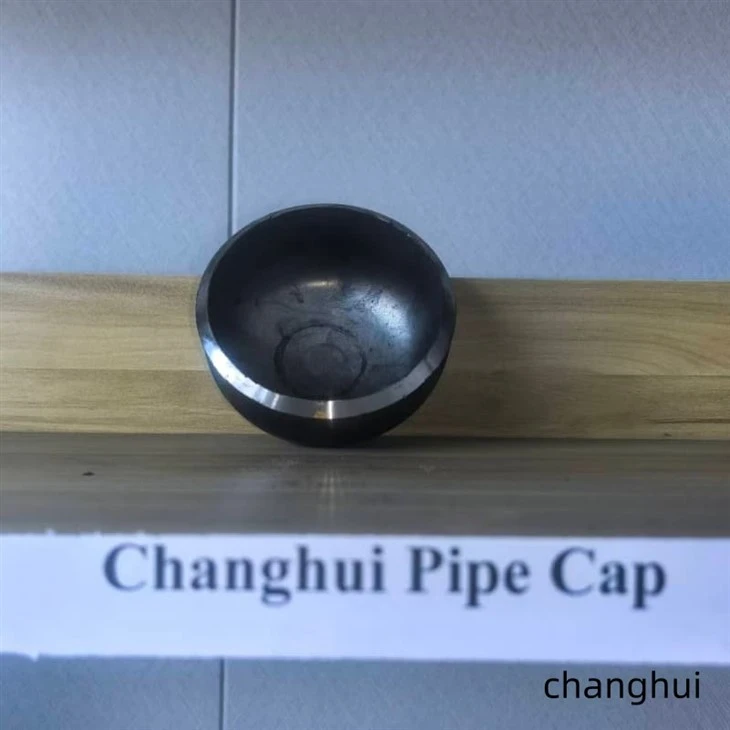

Standards are really important when it comes to the tensile strength of Butt Weld Pipe Caps. There are different standards around the world, like ASME and EN. ASME Caps are designed according to the American Society of Mechanical Engineers' standards. These standards set specific requirements for the material, dimensions, and mechanical properties, including tensile strength. Similarly, EN Pipe Caps follow European standards, which might have slightly different parameters but also ensure a certain level of quality and performance.
Now, why is all this talk about tensile strength so important? Well, in industries like oil and gas, chemical processing, and water treatment, pipes are constantly under pressure. The pipe caps need to be able to handle that pressure without failing. A failure could lead to leaks, which can be dangerous, expensive, and bad for the environment. So, having pipe caps with the right tensile strength is crucial for the safety and efficiency of these operations.
If you're involved in a project that requires pipe caps, you might also need to consider Pipe End Covers. These are used to protect the ends of pipes during transportation and storage. They can also help maintain the integrity of the pipe and the pipe cap by preventing dirt, debris, and moisture from getting in.
So, there you have it! That's a quick rundown on what the tensile strength of Butt Weld Pipe Caps is all about. As a supplier, we work hard to make sure that our pipe caps meet or exceed the necessary standards for tensile strength. Whether you need a small batch or a large order, we've got you covered.
If you're in the market for Butt Weld Pipe Caps or want to learn more about our products, feel free to reach out. We'd be more than happy to discuss your requirements and help you find the perfect pipe caps for your project. Remember, the right pipe caps with the appropriate tensile strength can make all the difference in the success of your pipeline system.
References
- "Metallurgy for Dummies" - A basic guide that explains the properties of different metals used in pipe caps.
- Standards documents from ASME and EN, which detail the requirements for pipe caps in terms of tensile strength and other properties.