

The service life of pressure vessel heads is a critical consideration for industries relying on these components. As a leading supplier of Pressure Vessel Heads, we understand the importance of this aspect and aim to provide comprehensive insights into the factors that influence their longevity.
Factors Affecting the Service Life of Pressure Vessel Heads
Material Quality
The choice of material is fundamental in determining the service life of pressure vessel heads. High - quality materials, such as stainless steel, carbon steel, and alloy steel, offer different levels of corrosion resistance, strength, and durability. For instance, stainless steel is well - known for its excellent corrosion resistance, making it suitable for applications where the vessel will be exposed to corrosive environments, such as in the chemical and food industries. Carbon steel, on the other hand, is often used for general - purpose applications due to its relatively low cost and good strength. Our Pressure Vessel Heads are made from top - grade materials, ensuring a solid foundation for long - term service.
Design and Manufacturing Standards
Proper design and strict manufacturing standards are essential for maximizing the service life of pressure vessel heads. The head design should be able to withstand the internal pressure, temperature variations, and external loads that the vessel will encounter during its operation. This requires following industry - recognized standards, such as ASME (American Society of Mechanical Engineers) codes. Our manufacturing processes adhere to these rigorous standards, ensuring that each Pressure Vessel Head we produce is of the highest quality. We use advanced manufacturing techniques, including precision machining and welding, to ensure the integrity of the product.
Operating Conditions
The operating conditions of the pressure vessel play a significant role in determining the service life of its heads. Factors such as pressure, temperature, and the type of fluid being contained can all have a profound impact. High - pressure applications put more stress on the vessel heads, increasing the risk of fatigue and failure over time. Similarly, extreme temperatures can cause thermal expansion and contraction, which may lead to cracks and other forms of damage. For example, in a high - temperature and high - pressure steam boiler, the heads need to be carefully designed and constructed to withstand these harsh conditions. As a supplier, we work closely with our customers to understand their operating conditions and recommend the most suitable Pressure Vessel Heads.
Maintenance and Inspection
Regular maintenance and inspection are crucial for extending the service life of pressure vessel heads. This includes checking for signs of corrosion, cracks, and other forms of damage. Maintenance activities may involve cleaning the vessel, applying protective coatings, and tightening bolts. Inspection can be carried out using non - destructive testing methods, such as ultrasonic testing and radiography, to detect internal defects that may not be visible to the naked eye. We provide our customers with detailed maintenance and inspection guidelines to ensure the proper care of their Pressure Vessel Heads.
Types of Pressure Vessel Heads and Their Service Life Considerations
Cone Tank Heads
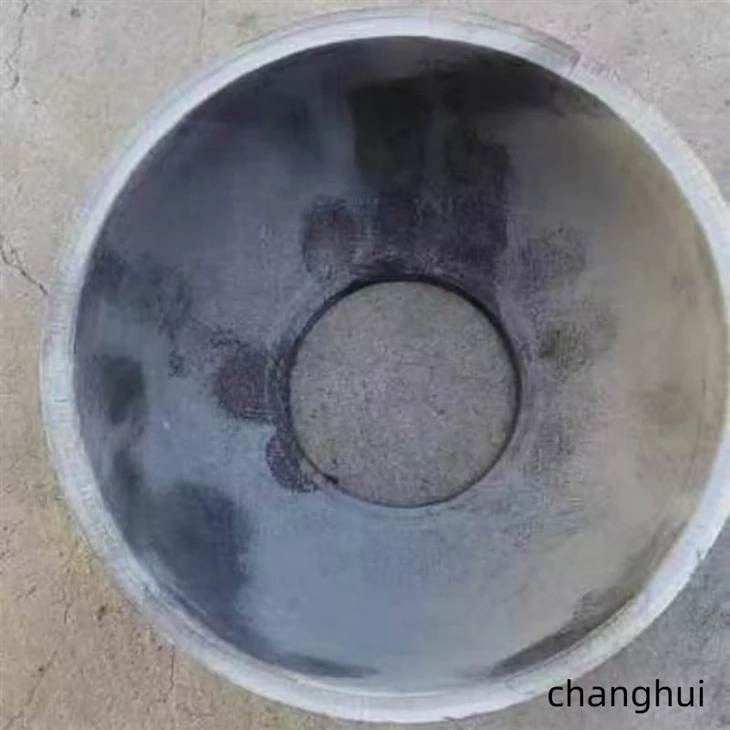
Cone Tank Heads are commonly used in applications where a conical shape is required for the flow of materials. The service life of cone tank heads also depends on the factors mentioned above. The conical shape can introduce additional stress concentrations at the transition from the cone to the cylindrical part of the vessel. Therefore, proper design and material selection are even more critical. Our cone tank heads are designed to minimize stress concentrations and are made from high - quality materials to ensure long - term performance.
Conical Tank Heads
Conical Tank Heads share similar characteristics with cone tank heads. They are often used in storage tanks and process vessels. The slope of the conical head can affect the hydrostatic pressure distribution, which in turn impacts the service life. A well - designed conical tank head with the right slope can evenly distribute the pressure and reduce the risk of failure. Our manufacturing process ensures that the conical tank heads we supply have the optimal slope and are constructed to withstand the expected operating conditions.
Flat Tank Heads
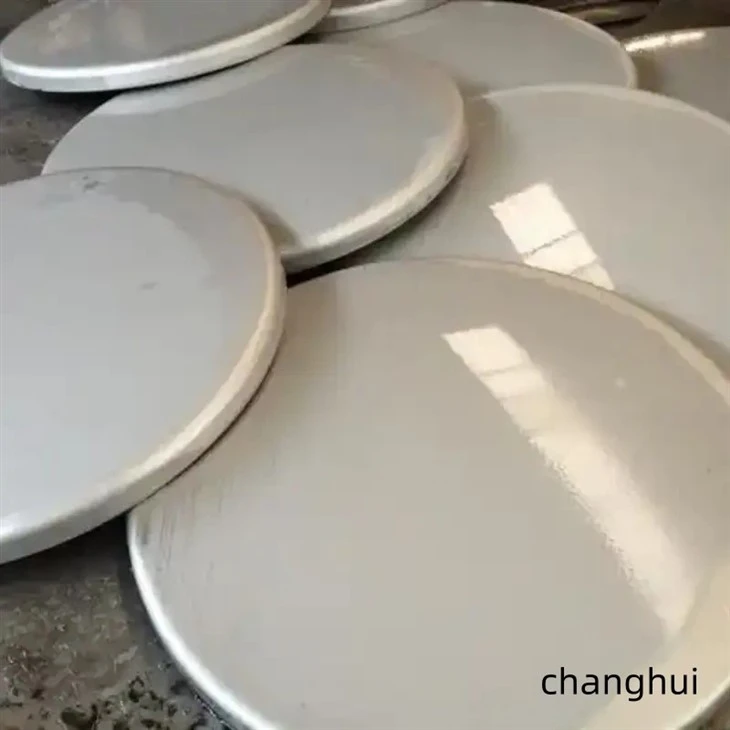
Flat Tank Heads are simpler in design compared to other types of heads. However, they are more prone to deflection under pressure. The service life of flat tank heads can be extended by proper reinforcement and thickness selection. We use advanced engineering calculations to determine the appropriate thickness and reinforcement for flat tank heads, ensuring that they can safely operate under the specified pressure for an extended period.
Tank Dished Heads
Tank Dished Heads are widely used in pressure vessels due to their ability to withstand high pressures more effectively compared to flat heads. The dished shape distributes the pressure more evenly, reducing the stress on the head. The service life of tank dished heads is also influenced by the radius of the dish and the thickness of the material. Our tank dished heads are carefully engineered to have the optimal dish radius and thickness for maximum durability.
Steel Dish Heads
Steel Dish Heads are popular due to the strength and versatility of steel. The service life of steel dish heads can be affected by corrosion if not properly protected. We offer a variety of corrosion - prevention measures, such as coatings and linings, to enhance the service life of our steel dish heads. Additionally, we use high - quality steel that is less prone to corrosion and has excellent mechanical properties.
Estimating the Service Life of Pressure Vessel Heads
Estimating the exact service life of pressure vessel heads is challenging due to the numerous variables involved. However, based on industry experience and research, we can provide a general range. Under normal operating conditions and with proper maintenance, a well - designed and manufactured pressure vessel head can last anywhere from 15 to 30 years. In more severe operating conditions, such as high - temperature and high - pressure applications, the service life may be shorter, typically around 10 to 15 years.
It's important to note that this is just a rough estimate, and regular inspection and monitoring are essential to accurately assess the condition of the pressure vessel heads. If any signs of damage or deterioration are detected, appropriate actions should be taken promptly to ensure the continued safe operation of the vessel.
Working with a Reliable Supplier
As a Pressure Vessel Heads supplier, we are committed to providing our customers with products that offer long - term service. Our team of experts has extensive knowledge and experience in the design and manufacturing of pressure vessel heads. We work closely with our customers to understand their specific requirements and provide customized solutions.
If you are in the market for high - quality Pressure Vessel Heads, we invite you to contact us for a detailed discussion. Our products are designed to meet the highest industry standards and offer exceptional service life. Let us help you find the perfect Pressure Vessel Heads for your application.
References
- ASME Boiler and Pressure Vessel Code. American Society of Mechanical Engineers.
- International Institute of Welding - Guidelines for Welding of Pressure Equipment.
- NACE International - Standards for Materials and Corrosion Control in the Oil and Gas Industry.