

pressed tank heads are crucial components in various industrial applications, from storage tanks in chemical plants to pressure vessels in the oil and gas industry. As a leading supplier of [Pressed Tank Heads], the question of whether pressed tank heads need to be coated is one that we encounter frequently. In this blog post, we'll explore the factors to consider when deciding whether coating is necessary, the benefits of coating, and the types of coatings available.
Factors to Consider
Environment
The environment in which the tank head will operate is a primary consideration. If the tank is located in a corrosive environment, such as near the ocean where saltwater can accelerate corrosion, or in a chemical plant where exposure to harsh chemicals is likely, coating becomes a more critical requirement. For example, in a coastal area, the high humidity and salt content in the air can cause rapid rusting of unprotected carbon steel tank heads. On the other hand, if the tank is used in a clean, dry indoor environment, the need for coating may be reduced.
Material of the Tank Head
The material of the tank head also plays a significant role. Carbon steel is a common material for tank heads, but it is prone to corrosion. Carbon Steel Tank Heads and Carbon Steel Dished Heads may require coating to prevent rust and extend their service life. Stainless steel, on the other hand, has better corrosion resistance due to the presence of chromium, which forms a passive oxide layer on the surface. However, even Stainless Steel Tank Heads may benefit from coating in extremely corrosive environments or when exposed to certain chemicals that can break down the passive layer.
Contents of the Tank
The substances stored in the tank can also impact the need for coating. If the tank contains corrosive liquids or gases, such as acids, alkalis, or certain solvents, coating can provide an additional layer of protection for the tank head. For instance, in a tank used to store sulfuric acid, a proper coating can prevent the acid from reacting with the tank head material and causing damage.
Design Life and Maintenance
The desired design life of the tank and the level of maintenance that can be provided are important factors. If a long design life is required with minimal maintenance, coating the tank head can be a cost - effective solution. Coated tank heads generally require less frequent inspection and maintenance compared to uncoated ones, as the coating acts as a barrier against corrosion and other forms of degradation.
Benefits of Coating Pressed Tank Heads
Corrosion Protection
The most obvious benefit of coating is corrosion protection. A good coating can prevent the tank head from coming into direct contact with corrosive agents, whether they are in the environment or inside the tank. This can significantly extend the service life of the tank head, reducing the need for frequent replacements and associated costs.
Improved Hygiene
In applications where the tank is used to store food products, pharmaceuticals, or potable water, coating can improve hygiene. Certain coatings are designed to be inert and non - toxic, preventing the contamination of the stored substances by the tank head material. This is especially important in industries where strict hygiene standards must be met.
Enhanced Aesthetic Appearance
Coating can also enhance the aesthetic appearance of the tank head. In some applications, such as in architectural or decorative uses, a coated tank head can provide a more attractive finish. It can be colored to match the surrounding environment or the overall design theme.
Reduced Friction
Some coatings can reduce friction on the surface of the tank head. This can be beneficial in applications where the flow of substances in the tank is a consideration. For example, a smooth - coated tank head can reduce turbulence and improve the efficiency of fluid flow.
Types of Coatings for Pressed Tank Heads
Epoxy Coatings
Epoxy coatings are widely used for corrosion protection of tank heads. They offer excellent adhesion, chemical resistance, and durability. Epoxy coatings can be formulated to withstand a wide range of chemicals and environmental conditions. They are often used in industrial applications where the tank is exposed to harsh chemicals or corrosive environments.
Polyurethane Coatings
Polyurethane coatings are known for their high - gloss finish and good weather resistance. They are flexible and can withstand mechanical stress and abrasion. Polyurethane coatings are commonly used in outdoor applications where the tank head needs to resist UV radiation and weathering.
Ceramic Coatings
Ceramic coatings provide excellent heat resistance and corrosion protection. They have a high resistance to wear and can withstand high temperatures. Ceramic coatings are often used in applications where the tank head is exposed to high - temperature environments, such as in some power generation or industrial heating applications.
Rubber Linings
Rubber linings are suitable for applications where the tank contains corrosive liquids or abrasive substances. They provide a soft, flexible barrier that can absorb shock and prevent damage to the tank head. Rubber linings are commonly used in industries such as mining, where the tank may be exposed to abrasive slurries.
As a Pressed Tank Heads Supplier
As a supplier of pressed tank heads, we understand the importance of offering the right coating solution for our customers' needs. We work closely with our clients to assess their specific requirements, including the environment, tank contents, and design life. Based on this assessment, we can recommend the most suitable type of coating for their tank heads. Whether it's Carbon Steel Dished Heads, Steel Formed Heads, or Hemispherical Tank Heads, we have the expertise to provide a high - quality coating that ensures the long - term performance of the tank heads.
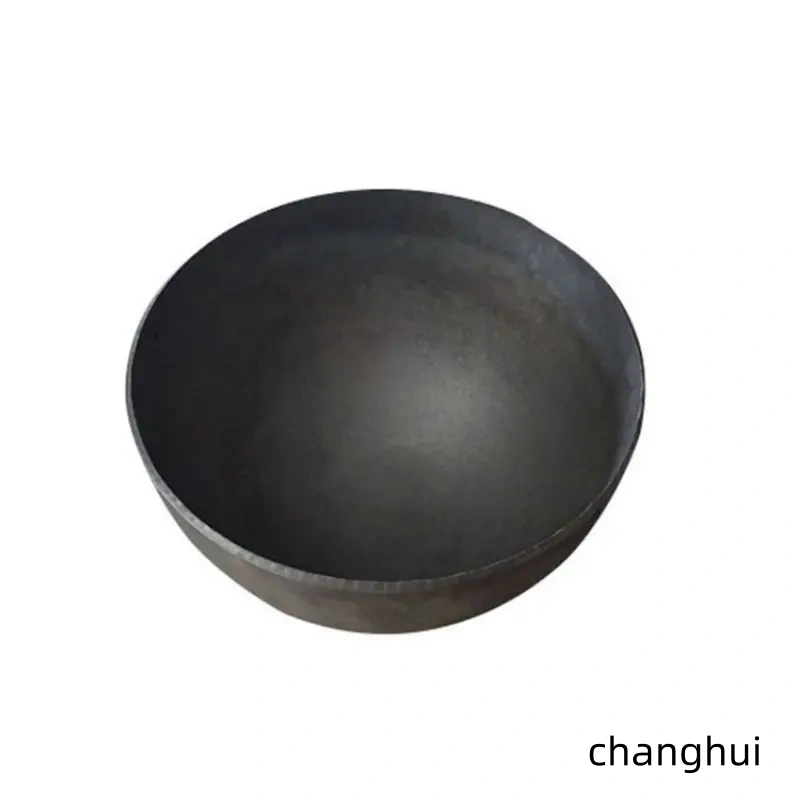
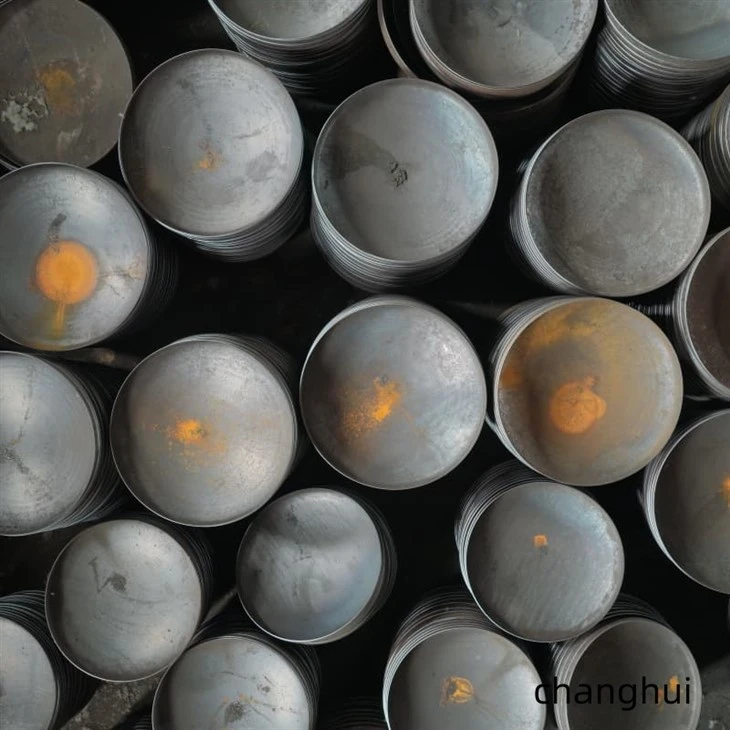
We also offer professional coating services in addition to supplying the tank heads. Our coating facilities are equipped with state - of - the - art equipment and our technicians are highly trained to apply the coatings to the highest standards. This ensures that the coating adheres properly to the tank head surface and provides the best possible protection.
Conclusion
In conclusion, whether pressed tank heads need to be coated depends on a variety of factors, including the environment, material, contents of the tank, design life, and maintenance requirements. Coating offers numerous benefits, such as corrosion protection, improved hygiene, enhanced aesthetic appearance, and reduced friction. There are several types of coatings available, each with its own advantages and suitable applications.
As a leading supplier of pressed tank heads, we are committed to providing our customers with the best solutions for their tank head needs. If you are considering purchasing [Pressed Tank Heads] and need advice on coating, or if you have any questions about our products and services, please don't hesitate to reach out to us. Our team of experts is ready to assist you in making the right decision for your specific application.
References
- ASME Boiler and Pressure Vessel Code
- NACE International Standards for Corrosion Protection
- ISO Standards for Coating Applications in Industrial Environments