

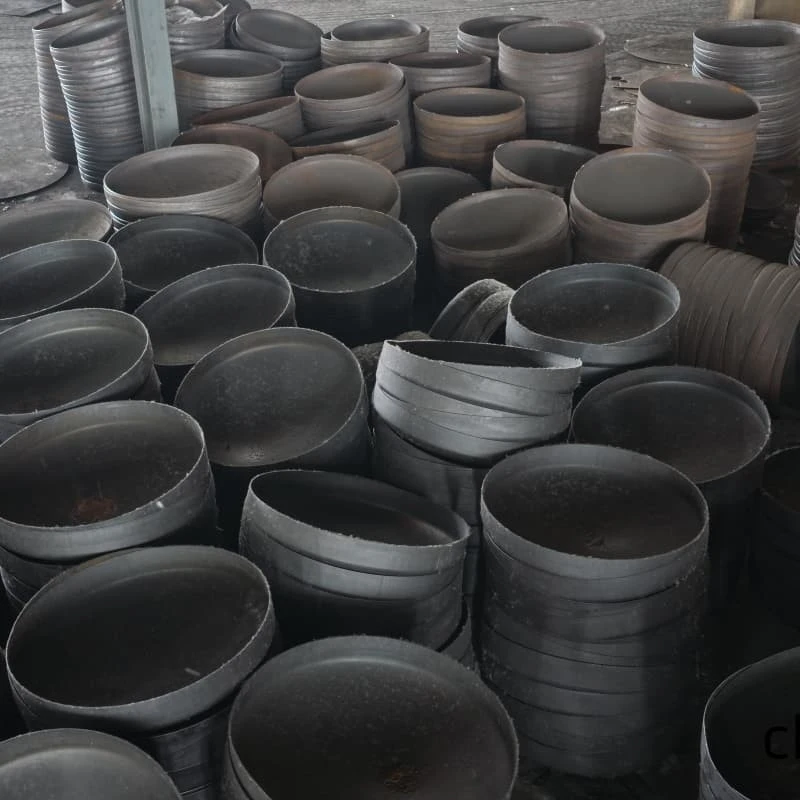
As a seasoned supplier of GOST Pipe Caps, I've often been asked about the production capacity of these essential components in a factory. Understanding the production capacity is crucial for both suppliers and buyers, as it directly impacts the availability, lead times, and overall cost of these pipe caps. In this blog post, I'll delve into the factors that influence the production capacity of GOST Pipe Caps in a factory, and how it translates to the market we serve.
Factors Influencing Production Capacity
The production capacity of GOST Pipe Caps in a factory is influenced by several key factors, each playing a vital role in determining the overall output. These factors can be broadly categorized into equipment, labor, raw materials, and operational efficiency.
Equipment
The type and quality of equipment used in the production process are fundamental to a factory's production capacity. Modern factories are equipped with advanced machinery that can handle high volumes of production with precision and efficiency. For instance, automated cutting machines can accurately cut the raw materials to the required dimensions, while robotic welding equipment can ensure consistent and high-quality welds.
Investing in state-of-the-art equipment not only increases the production speed but also reduces the margin of error, leading to a higher yield of defect-free GOST Pipe Caps. Additionally, the maintenance and upkeep of the equipment are equally important. Regular maintenance schedules ensure that the machines operate at their optimal capacity and minimize the risk of breakdowns that could disrupt production.
Labor
The skill and availability of the workforce are another critical factor in determining production capacity. A well-trained and experienced team of workers can operate the equipment efficiently, troubleshoot issues quickly, and maintain a high level of productivity. In a factory producing GOST Pipe Caps, workers need to be proficient in various tasks, including cutting, welding, machining, and quality control.
Training programs are essential to keep the workforce updated with the latest techniques and best practices in pipe cap production. Moreover, the labor force needs to be managed effectively to ensure that there are enough workers to meet the production demands. This may involve hiring additional staff during peak seasons or implementing shift work schedules to maximize production hours.
Raw Materials
The availability and quality of raw materials are directly related to the production capacity of GOST Pipe Caps. Factories rely on a steady supply of high-quality steel to manufacture these pipe caps. Any disruptions in the supply chain, such as shortages or quality issues with the raw materials, can significantly impact production.
Establishing long-term relationships with reliable suppliers is crucial to ensure a consistent supply of raw materials. Additionally, factories need to maintain an adequate inventory of raw materials to buffer against any unexpected supply chain disruptions. Quality control measures should also be in place to ensure that the raw materials meet the required standards for GOST Pipe Caps production.
Operational Efficiency
Operational efficiency encompasses all aspects of the factory's operations, from production planning to inventory management. A well-planned production schedule can optimize the use of equipment and labor, reducing idle time and maximizing output. By analyzing historical production data and market demand trends, factories can create a production plan that aligns with the expected orders.
Inventory management is also a critical component of operational efficiency. Maintaining the right level of inventory for both raw materials and finished products helps to avoid overproduction or stockouts. Just-in-time inventory systems can be implemented to minimize inventory holding costs while ensuring that production can continue smoothly.
Measuring Production Capacity
There are several ways to measure the production capacity of a factory producing GOST Pipe Caps. Two common methods are theoretical capacity and practical capacity.
Theoretical Capacity
Theoretical capacity represents the maximum production output that a factory can achieve under ideal conditions. It assumes that the equipment is running continuously without any downtime, the workforce is fully productive, and there are no shortages of raw materials. This measure is often used as a benchmark to evaluate the factory's potential.
Calculating the theoretical capacity involves multiplying the number of available production hours by the production rate of the equipment. For example, if a factory has a welding machine that can produce 10 GOST Pipe Caps per hour and operates 24 hours a day, 7 days a week, the theoretical capacity of that machine would be 1,680 pipe caps per week.
Practical Capacity
Practical capacity takes into account the real-world factors that can reduce the production output. This includes equipment maintenance, worker breaks, quality control inspections, and potential supply chain disruptions. Practical capacity is a more realistic measure of a factory's production capabilities.
To calculate the practical capacity, factories need to estimate the amount of downtime due to these factors and adjust the theoretical capacity accordingly. For instance, if a factory estimates that the welding machine experiences 2 hours of downtime per day for maintenance and inspections, the practical capacity of the machine would be reduced to 1,540 pipe caps per week.
Impact on the Market
The production capacity of GOST Pipe Caps in a factory has a significant impact on the market. For suppliers like me, understanding the production capacity helps in managing inventory levels, setting prices, and fulfilling customer orders in a timely manner.
Inventory Management
A factory with a high production capacity can maintain a larger inventory of GOST Pipe Caps, which provides more flexibility in meeting customer demand. This allows suppliers to offer shorter lead times and respond quickly to urgent orders. On the other hand, a factory with limited production capacity may need to rely on just-in-time inventory management to avoid overstocking.
Pricing
Production capacity can also influence the pricing of GOST Pipe Caps. Factories with high production capacities can often achieve economies of scale, which means that the cost per unit decreases as the production volume increases. This can result in more competitive pricing for customers. Conversely, factories with limited production capacity may have higher production costs, which can be reflected in the prices of their products.
Customer Satisfaction
Meeting customer demand in a timely manner is crucial for customer satisfaction. A factory with sufficient production capacity can ensure that orders are fulfilled on time, which helps to build long-term relationships with customers. On the other hand, delays in production due to limited capacity can lead to customer dissatisfaction and potential loss of business.
Our Offerings
As a supplier of GOST Pipe Caps, we understand the importance of production capacity in meeting our customers' needs. We work closely with factories that have a proven track record of high production capacity and quality control. Our product range includes a variety of pipe caps to suit different applications, such as Carbon Steel Pipe Caps, Large Diameter Pipe Caps, JIS Pipe Caps, EN Pipe Caps, and Pipe End Covers.
We are committed to providing our customers with high-quality products at competitive prices and ensuring timely delivery. Whether you need a small quantity of pipe caps for a specific project or a large volume for ongoing production, we have the capacity to meet your requirements.
Contact Us for Procurement
If you are interested in purchasing GOST Pipe Caps or any of our other products, please feel free to contact us for a detailed quote and to discuss your specific needs. Our team of experts is ready to assist you in finding the right solutions for your projects. We look forward to the opportunity to work with you and build a successful partnership.

References
- "Manufacturing Engineering and Technology" by Serope Kalpakjian and Steven R. Schmid
- "Operations Management" by Jay Heizer and Barry Render