

Hey there! As a supplier of Tank Dished Heads, I've seen firsthand the importance of understanding the factors that affect their strength. In this blog post, I'll share some insights into what makes these heads strong and reliable.
Material Quality
The quality of the material used to make the tank dished heads is crucial. We offer a wide range of materials, including Steel Formed Heads and Steel Dish Heads. High - grade steel, like SA516 Gr60, is a popular choice. SA516 Gr60 Heads have excellent mechanical properties. They have high tensile strength and good impact resistance, which means they can withstand high pressures and harsh environments without cracking or deforming easily.
The chemical composition of the steel also matters. Elements like carbon, manganese, and silicon can affect the strength and ductility of the material. For example, a proper amount of carbon can increase the strength of the steel, but too much can make it brittle. So, we carefully select the materials based on the specific requirements of our customers' projects.
Manufacturing Process
The way the tank dished heads are manufactured has a huge impact on their strength. One common method is hot forming. In hot forming, the steel is heated to a high temperature, which makes it more malleable. This allows us to shape the head into the desired form with less stress on the material. The heat treatment during hot forming can also improve the grain structure of the steel, enhancing its strength and toughness.
Another important aspect of the manufacturing process is the welding. If the heads need to be welded to the tank body, a high - quality welding process is essential. Poor welding can create weak points in the structure, which can lead to failures under pressure. We use advanced welding techniques and highly skilled welders to ensure that the welds are strong and reliable.
Design and Geometry
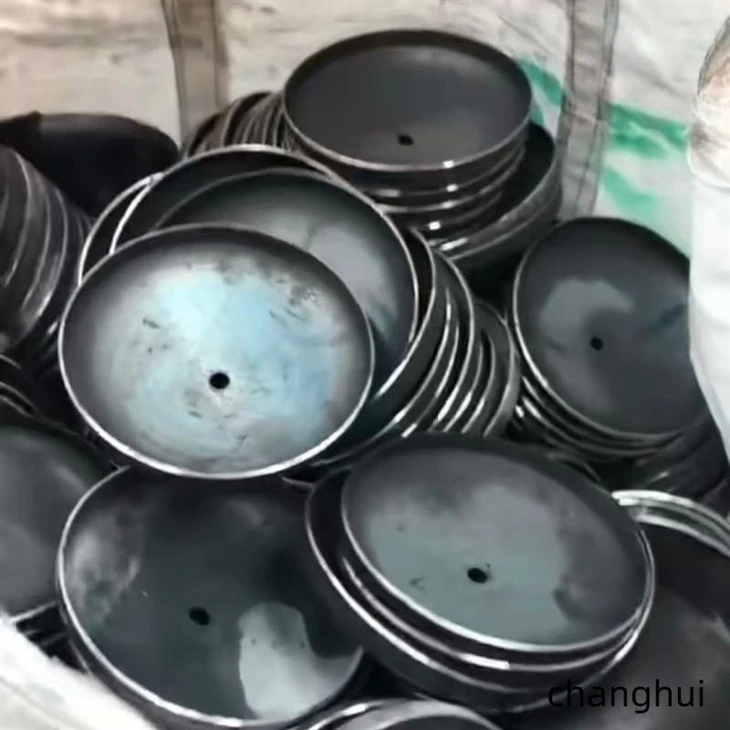
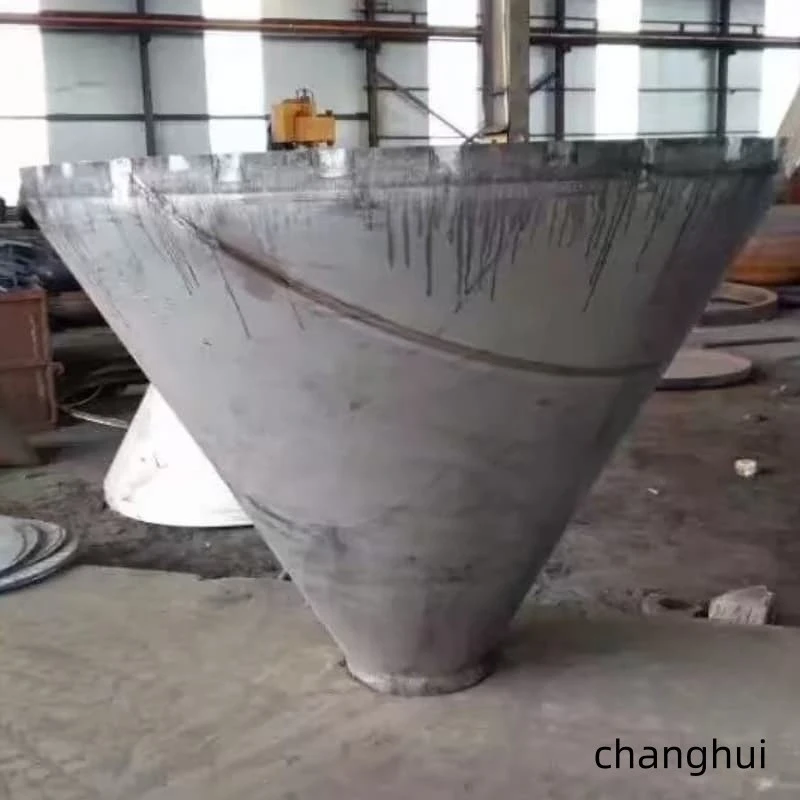
The design and geometry of the tank dished head play a significant role in its strength. Different types of heads, such as Conical Tank Heads and Cone Tank Heads, have different stress - distribution characteristics.
For example, a conical head has a more complex stress pattern compared to a spherical or ellipsoidal head. In a conical head, the stress is concentrated at the transition area between the cone and the cylinder. So, the design of the conical head needs to be carefully engineered to ensure that it can withstand these stresses.
The thickness of the head is also an important design factor. A thicker head can generally withstand higher pressures, but it also increases the weight and cost of the tank. We work with our customers to find the optimal thickness for their specific applications, taking into account factors such as the maximum operating pressure, temperature, and the size of the tank.
Operating Conditions
The operating conditions of the tank can greatly affect the strength of the dished heads. Temperature is one of the key factors. High temperatures can reduce the strength of the steel, especially if the temperature exceeds the critical temperature range of the material. On the other hand, extremely low temperatures can make the steel brittle, increasing the risk of cracking.
Pressure is another important operating condition. The heads need to be designed to withstand the maximum pressure that the tank will experience. If the pressure exceeds the design limit, it can cause the head to deform or even burst. We always recommend that our customers provide us with accurate information about the operating pressure and temperature so that we can supply the most suitable tank dished heads.
Corrosion
Corrosion is a major threat to the strength of tank dished heads. When the steel is exposed to corrosive substances, such as chemicals, moisture, or saltwater, it can start to rust. Rust can weaken the material by reducing its cross - sectional area and creating pits and cracks.
To prevent corrosion, we offer various coating options for our tank dished heads. These coatings can act as a barrier between the steel and the corrosive environment, protecting the head from damage. We can also recommend the use of corrosion - resistant materials for applications where corrosion is a significant concern.
Maintenance
Proper maintenance is essential to ensure the long - term strength of the tank dished heads. Regular inspections can help detect any signs of damage, such as corrosion, cracks, or deformation, early on. If any issues are found, they can be repaired promptly to prevent further deterioration.
We provide our customers with maintenance guidelines to help them take good care of their tank dished heads. This includes instructions on how to clean the heads, how to check for corrosion, and how to perform basic inspections.
Conclusion
In conclusion, the strength of tank dished heads is affected by multiple factors, including material quality, manufacturing process, design and geometry, operating conditions, corrosion, and maintenance. As a supplier, we take all these factors into consideration when producing our tank dished heads. We strive to provide our customers with high - quality products that can meet their specific requirements and ensure the safety and reliability of their tanks.
If you're in the market for tank dished heads, we'd love to have a chat with you. Whether you need Steel Formed Heads, Steel Dish Heads, Conical Tank Heads, Cone Tank Heads, or SA516 Gr60 Heads, we've got you covered. Contact us to discuss your project and get a quote.
References
- ASME Boiler and Pressure Vessel Code
- API Standards for Pressure Vessels
- Steel Construction Manual