

Yo, folks! I'm a supplier of Carbon Steel Pipe Caps, and today I wanna chat about how the carbon content affects the properties of these pipe caps. It's a pretty interesting topic, especially if you're in the market for Carbon Steel Pipe Caps.
First off, let's get a bit of basics. Carbon steel is an alloy that mainly consists of iron and carbon. The amount of carbon in it plays a huge role in determining what the pipe caps made from it can do. Generally, carbon steel can be divided into low - carbon steel, medium - carbon steel, and high - carbon steel based on the carbon content.
Low - Carbon Steel Pipe Caps
Low - carbon steel, also known as mild steel, has a carbon content of less than 0.3%. Pipe caps made from low - carbon steel have some distinct properties. One of the biggest advantages is their excellent formability. You can bend, shape, and weld these pipe caps with relative ease. This makes them a top choice for applications where complex shapes or extensive fabrication are required.
For instance, in the construction of small - scale plumbing systems, Pipe End Covers made of low - carbon steel can be easily cut and welded to fit the specific needs of the project. They're also quite ductile, which means they can stretch a fair amount before breaking. This property is crucial in situations where the pipe caps might experience some minor deformation without failing.
However, low - carbon steel pipe caps do have their limitations. They're not as strong as their higher - carbon counterparts. So, if you need pipe caps for high - pressure applications, low - carbon steel might not be the best option. The relatively low strength also means that they may not be suitable for heavy - duty industrial settings where the pipe caps are subjected to significant mechanical stress.
Medium - Carbon Steel Pipe Caps
Medium - carbon steel has a carbon content ranging from 0.3% to 0.6%. Pipe caps crafted from this type of steel strike a balance between strength and formability. They're stronger than low - carbon steel pipe caps, making them suitable for more demanding applications.
In the oil and gas industry, Large Diameter Pipe Caps made of medium - carbon steel are commonly used. These pipe caps need to withstand high pressures and harsh environmental conditions. The increased carbon content gives them the necessary strength to handle such situations. At the same time, they still retain a reasonable level of formability, so they can be processed and installed without too much hassle.
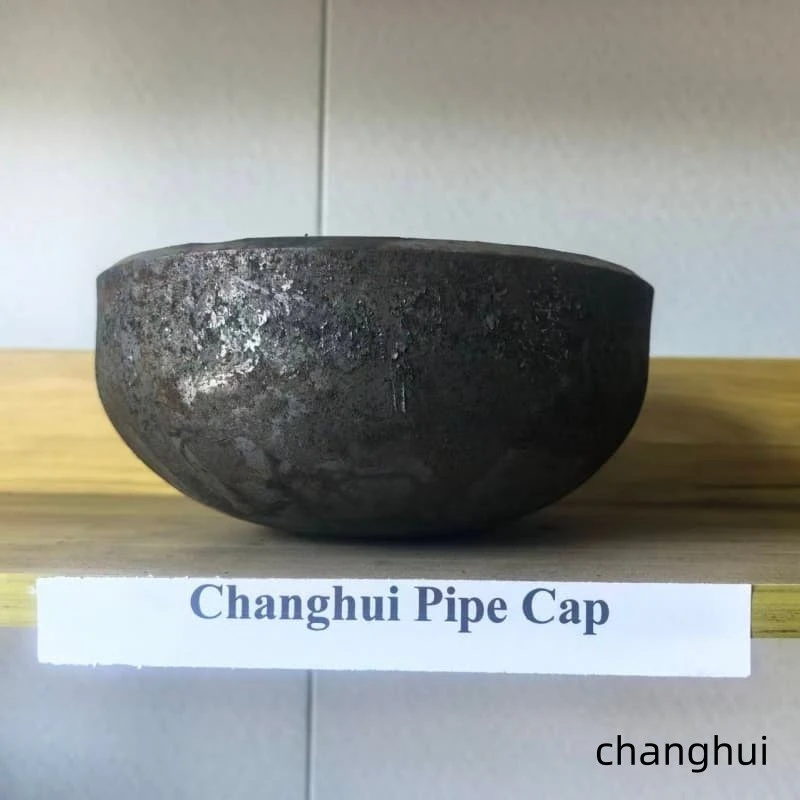
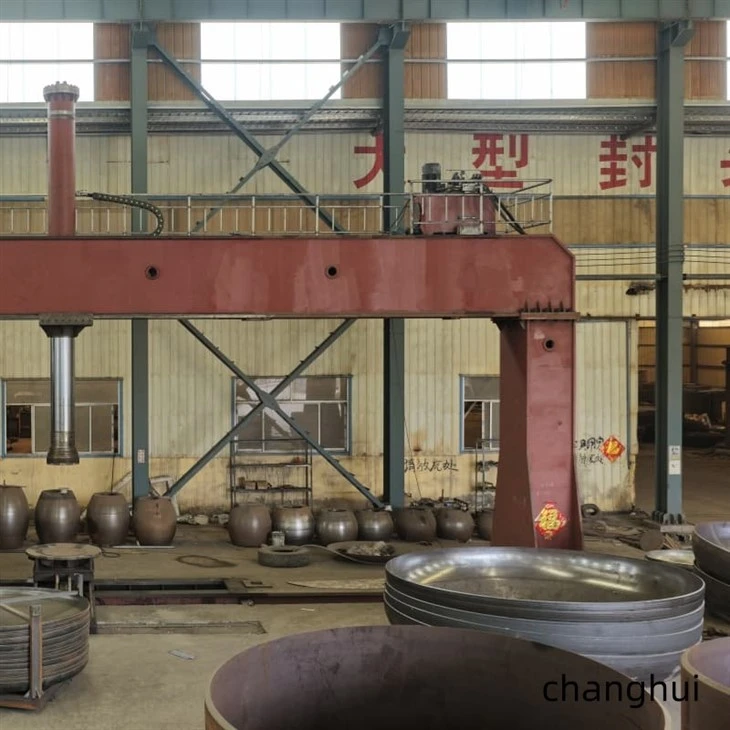
But medium - carbon steel pipe caps also come with some challenges. They're more difficult to weld compared to low - carbon steel. The higher carbon content can lead to the formation of hard and brittle zones in the weld area, which may reduce the overall integrity of the pipe cap if not welded properly. So, skilled welders and proper welding techniques are essential when working with these pipe caps.
High - Carbon Steel Pipe Caps
High - carbon steel, with a carbon content of over 0.6%, is known for its exceptional strength and hardness. Pipe caps made from high - carbon steel are extremely tough and can resist a great deal of wear and tear. In industries like mining, where the pipes are constantly exposed to abrasive materials, high - carbon steel pipe caps are often the go - to choice.
In addition, ASME Caps that need to meet strict industry standards for high - strength applications sometimes use high - carbon steel. The high carbon content allows these pipe caps to maintain their shape and integrity under extreme stress.
On the flip side, high - carbon steel pipe caps have very low formability. They're extremely difficult to bend, cut, or shape. Welding them is also a major challenge, as the high carbon can cause cracking during the welding process. This means that the manufacturing and installation of high - carbon steel pipe caps require specialized equipment and highly skilled workers.
Other Aspects Affected by Carbon Content
The carbon content also has an impact on the corrosion resistance of carbon steel pipe caps. Generally, as the carbon content increases, the corrosion resistance tends to decrease. Low - carbon steel has relatively better corrosion resistance compared to high - carbon steel. However, this can be mitigated through various surface treatment methods such as coating or galvanizing.
The heat - treatment response of carbon steel pipe caps is also closely related to the carbon content. High - carbon steel can be hardened significantly through heat - treatment processes like quenching and tempering. Low - carbon steel, on the other hand, doesn't respond as well to these processes in terms of increasing its hardness.
Different Standards and Carbon Content
When it comes to different standards like ASME Caps and DIN Pipe Caps, the carbon content requirements can vary. ASME standards are widely used in the United States and many other countries for industrial applications. These standards often specify a certain range of carbon content based on the intended use of the pipe caps, ensuring that they meet the necessary strength and safety requirements.
DIN standards, which are popular in Europe, also take into account the carbon content in defining the properties of carbon steel pipe caps. Different applications under the DIN standards may require different levels of carbon content to achieve the desired performance characteristics.
As a supplier of Carbon Steel Pipe Caps, I understand how important it is for you to choose the right type based on your specific needs. Whether you need the formability of low - carbon steel, the balanced properties of medium - carbon steel, or the extreme strength of high - carbon steel, I've got you covered.
If you're interested in Carbon Steel Pipe Caps and want to discuss your requirements further, don't hesitate to reach out. Let's have a chat about how we can find the perfect pipe caps for your project.
References
- "Metallurgy of Steel" by George E. Dieter
- "Handbook of Carbon Steel in Construction" by American Iron and Steel Institute
- "Piping Handbook" by Cameron W. John