

Steel formed heads are crucial components in various industrial applications, including pressure vessels, storage tanks, and pipelines. These heads are subjected to significant internal and external pressures, which means their strength is of utmost importance to ensure the safety and reliability of the entire system. As a supplier of high - quality Steel Formed Heads, I have gained extensive knowledge and experience in enhancing the strength of these vital parts. In this blog post, I will share some effective methods to enhance the strength of steel formed heads.
Material Selection
The first step in enhancing the strength of steel formed heads is to choose the right material. Different grades of steel offer varying levels of strength, corrosion resistance, and other properties. For instance, SA516 Gr60 Heads are made from SA516 Gr60 steel, which is known for its excellent notch toughness and weldability. This grade of steel is suitable for applications in low - temperature environments, as it can withstand the stresses associated with rapid temperature changes without cracking.
Mild steel is another common choice for forming heads. Mild Steel Heads are relatively inexpensive and easy to work with. They have a good balance of strength and ductility, which makes them suitable for a wide range of applications. However, in more demanding applications where high strength is required, alloy steels may be a better option. Alloy steels contain additional elements such as chromium, nickel, and molybdenum, which improve their strength, hardness, and corrosion resistance.
Manufacturing Process Optimization
The manufacturing process of steel formed heads plays a significant role in determining their strength. Proper forming techniques are essential to ensure that the heads have the desired shape and thickness distribution. For example, cold forming is a common method used to produce steel formed heads. This process involves shaping the steel at room temperature, which can increase the strength of the material through work - hardening. However, care must be taken to avoid excessive deformation, which can lead to cracking or other defects.
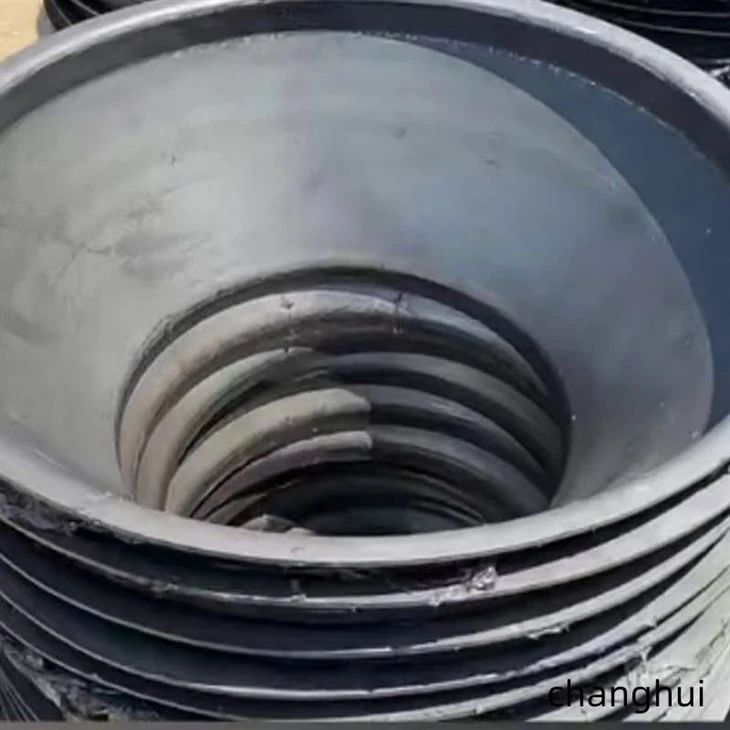
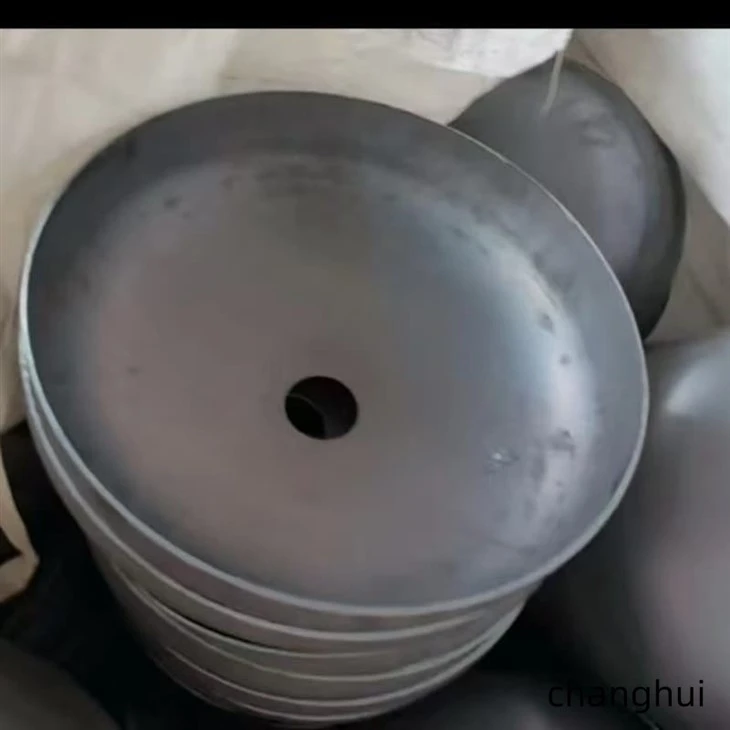
Hot forming is another option, especially for thicker and larger heads. In hot forming, the steel is heated to a high temperature, making it more malleable and easier to shape. This process can help reduce internal stresses and improve the overall quality of the formed head. After forming, heat treatment processes such as annealing, quenching, and tempering can be applied to further enhance the strength and toughness of the steel. Annealing is used to relieve internal stresses and refine the grain structure of the steel, while quenching and tempering can increase the hardness and strength of the material.
Design Considerations
The design of steel formed heads also affects their strength. The shape of the head, such as Cone Tank Heads or Elliptical Dished Heads, can influence its stress distribution. Elliptical dished heads, for example, are more efficient in distributing stress compared to flat heads because they have a curved shape that can better withstand internal pressure.
The thickness of the head is another critical design parameter. Calculating the appropriate thickness based on the operating pressure, temperature, and diameter of the vessel is essential. A thicker head can generally withstand higher pressures, but it also increases the weight and cost of the component. Finite element analysis (FEA) is a powerful tool that can be used to simulate the stress distribution in the head under different loading conditions. This allows engineers to optimize the design and ensure that the head has sufficient strength while minimizing material usage.
Quality Control
Maintaining strict quality control throughout the manufacturing process is vital for enhancing the strength of steel formed heads. Non - destructive testing (NDT) methods such as ultrasonic testing, radiographic testing, and magnetic particle testing can be used to detect internal and surface defects in the heads. These defects, if left undetected, can significantly reduce the strength of the head and compromise its safety.
Visual inspection is also an important part of quality control. Inspecting the surface finish, dimensions, and shape of the head can help identify any visible defects, such as cracks, wrinkles, or dimensional inaccuracies. In addition, chemical analysis and mechanical testing can be performed to verify the material properties of the steel. Tensile testing, hardness testing, and impact testing can provide valuable information about the strength and toughness of the head.
Welding and Joining
In many applications, steel formed heads need to be welded or joined to other components of the vessel. Proper welding techniques are crucial to ensure the integrity and strength of the joint. The selection of the appropriate welding process and filler material depends on the type of steel and the specific application requirements. For example, shielded metal arc welding (SMAW), gas metal arc welding (GMAW), and submerged arc welding (SAW) are commonly used for welding steel formed heads.
Welding defects such as porosity, lack of fusion, and cracks can weaken the joint and reduce the overall strength of the head. To prevent these defects, welding procedures should be carefully developed and followed. Pre - heating and post - weld heat treatment may also be required, depending on the thickness and type of steel, to reduce residual stresses and improve the quality of the weld.
Surface Treatment
Applying appropriate surface treatments to steel formed heads can enhance their strength and durability. Coatings such as paint, epoxy, or zinc coating can provide corrosion protection, which is important for maintaining the integrity of the head over time. Corrosion can reduce the thickness of the steel and create stress concentrations, which can lead to premature failure of the head.
Shot peening is another surface treatment method that can improve the strength of steel formed heads. This process involves bombarding the surface of the head with small steel shots, which creates compressive stresses on the surface. Compressive stresses can help prevent the initiation and propagation of cracks, thereby increasing the fatigue life and strength of the head.
In conclusion, enhancing the strength of steel formed heads requires a comprehensive approach that includes material selection, manufacturing process optimization, design considerations, quality control, welding and joining, and surface treatment. By implementing these strategies, we can produce high - quality steel formed heads that meet the demanding requirements of various industrial applications.
If you are in the market for reliable and strong steel formed heads, I encourage you to reach out and discuss your specific needs with us. We are committed to providing you with the best - suited products based on your requirements.
References
- ASME Boiler and Pressure Vessel Code.
- Steel Construction Manual, American Institute of Steel Construction.
- Welding Handbook, American Welding Society.